Mat Collishaw’s Death Row Paintings Turn America’s Final Meals Into Modern Vanitas
Mat Collishaw's new exhibition paints death row prisoners' final meals as modern vanitas, opening this summer at The Sherborne in Dorset.
Mat Collishaw
Pasted text(10).txt Document Mat Collishaw’s Death Row Paintings Turn America’s Final Meals Into Modern Vanitas
There is something deeply unsettling about how ordinary the meals look.
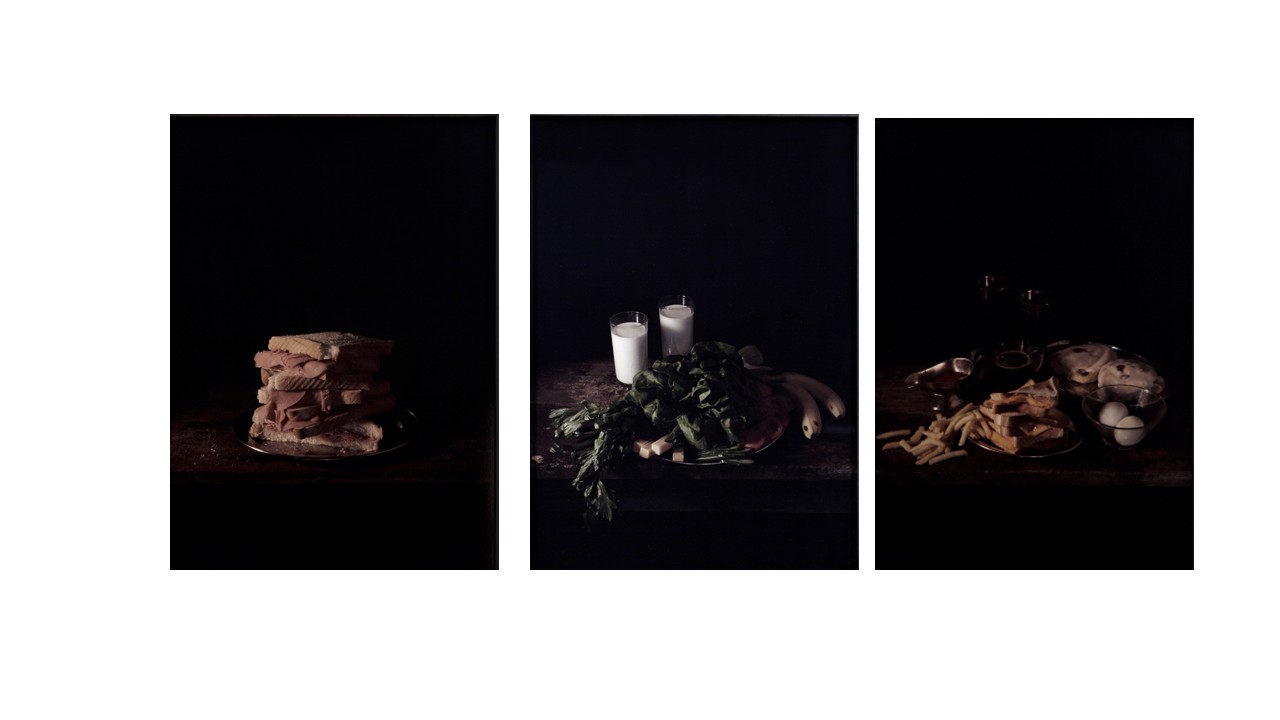
A cheeseburger and fries. Fried chicken. Fruit laid carefully on a plate. A glass of sweet tea. Removed from context, they could belong to a roadside diner, an Instagram food photograph or the closing moments of a television cookery programme. In Mat Collishaw’s new exhibition at The Sherborne, however, each dish carries the weight of imminent death.
Last Meal on Death Row, Texas brings together thirteen hyper realistic paintings and photographs depicting the final meals requested by prisoners awaiting execution in the United States. The exhibition, opening this summer in Dorset, transforms fast food and comfort eating into something far more psychologically loaded: meditations on mortality, ritual and the strange intimacy of state sanctioned death.
Collishaw has long occupied a darker corner of contemporary British art, emerging from the generation associated with Goldsmiths College and the Young British Artists movement of the late 1980s. Yet unlike many of his contemporaries, his work has often avoided spectacle for something colder and more quietly disquieting. Here, he takes the visual language of seventeenth century Dutch still life painting and applies it to the rituals of the modern American penal system.
The artistic references are deliberate.
The meals are rendered with the luminous detail and compositional care associated with Old Master vanitas paintings, where fruit, flowers and elaborate table settings functioned as reminders of life’s fragility and inevitable decay. Collishaw’s twist is brutally contemporary. Instead of rotting grapes or extinguished candles, mortality arrives through the viewer’s knowledge of what follows the meal itself.
One of the exhibition’s most affecting works depicts the final request of Jonathan Nobles, who asked only for communion wine and a wafer before his execution. Another captures the fruit plate ordered by Cornelius Gross shortly before his death. The food itself remains mundane. The emotional force comes entirely from context.
Crucially, Collishaw refuses sensationalism.
There are no depictions of violence, no courtroom images and no details of the crimes committed. Victims remain absent. So do explicit moral instructions. Instead, the exhibition leaves viewers alone with the uncomfortable contradiction at the centre of capital punishment itself: the strange humanity embedded within a system designed ultimately to end a human life.
That restraint gives the work much of its power.
At a moment when contemporary culture increasingly packages crime and punishment as entertainment, from streaming documentaries to true crime podcasts, Last Meal on Death Row, Texas feels unusually contemplative. The exhibition is less interested in outrage than ambiguity. The meals become symbols not simply of guilt or punishment, but of ritual, agency and the final traces of individuality before death.
Collishaw himself describes the series as examining “the strange collision between the ordinary and the irreversible”. A cheeseburger, he argues, becomes almost sacred when framed as someone’s final choice before execution.
The setting of the exhibition adds another layer of tension.
Displayed within the Georgian interiors of The Sherborne, the works sit against a backdrop associated more readily with heritage, refinement and English cultural tradition. That contrast between setting and subject only sharpens the unease running through the exhibition.
And perhaps that discomfort is precisely the point.
The meals force viewers to confront death not through spectacle, but through familiarity. Food, after all, is among the most universal forms of comfort and routine. By focusing on these final acts of choice and consumption, Collishaw quietly collapses the emotional distance between viewer and condemned prisoner.
The result is not an argument so much as a confrontation.
What does civilisation look like when it pauses to offer dessert before execution?
Continue Reading
More Art & Design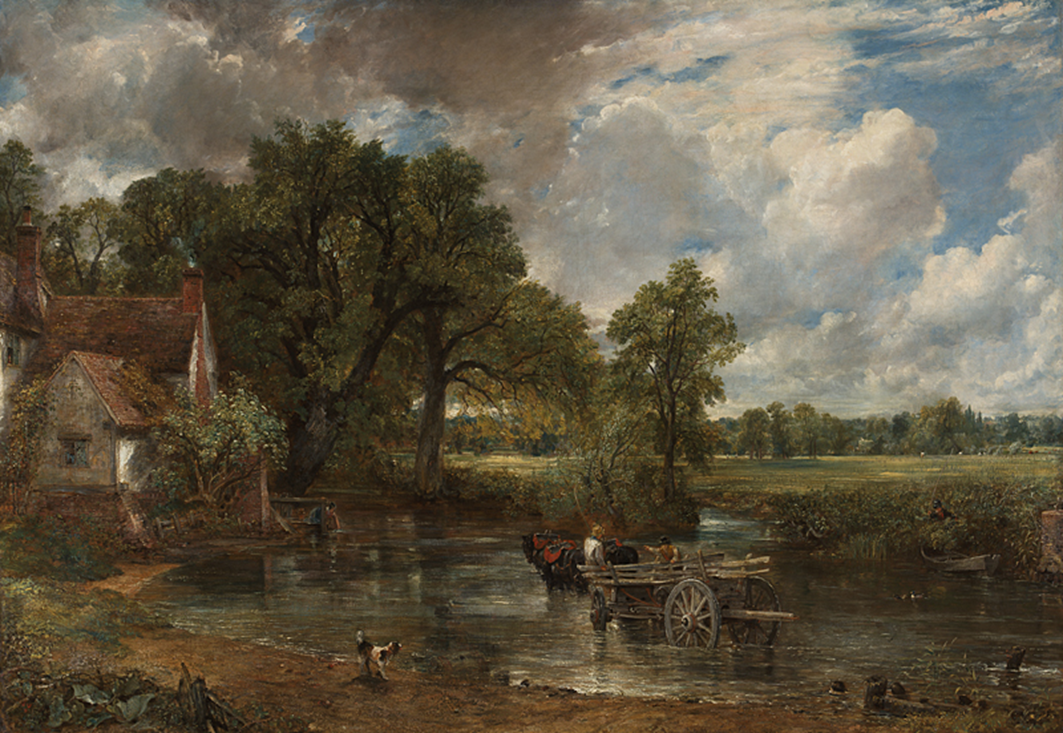
Constable’s Suffolk Returns Home As The Hay Wain Travels East

Why Art Basel Is Turning To Trees In Search Of Calm
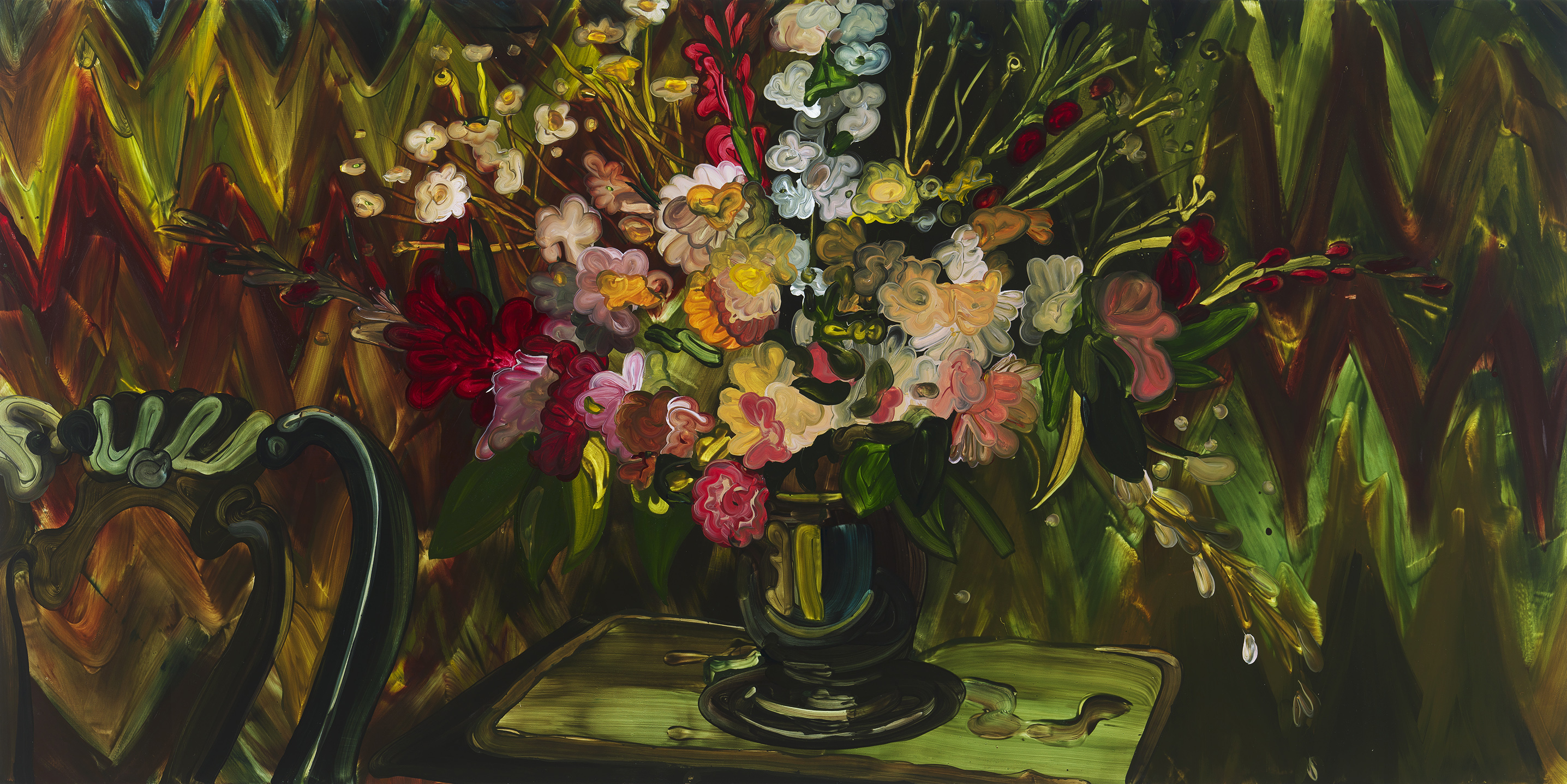
Clare Woods Brings Beauty And Melancholy To Pitzhanger Manor
Sir John Soane’s Museum Explores the Surreal World of Madelon Vriesendorp

Stories worth your
weekend.
A handpicked dispatch from Hinton's editors. The long reads, the people, the openings, the things worth knowing. No filler.