Clare Woods Brings Beauty And Melancholy To Pitzhanger Manor
Clare Woods unveils 29 new works at Pitzhanger Manor this summer, exploring memory, mortality and lockdown isolation through oil paintings and prints.
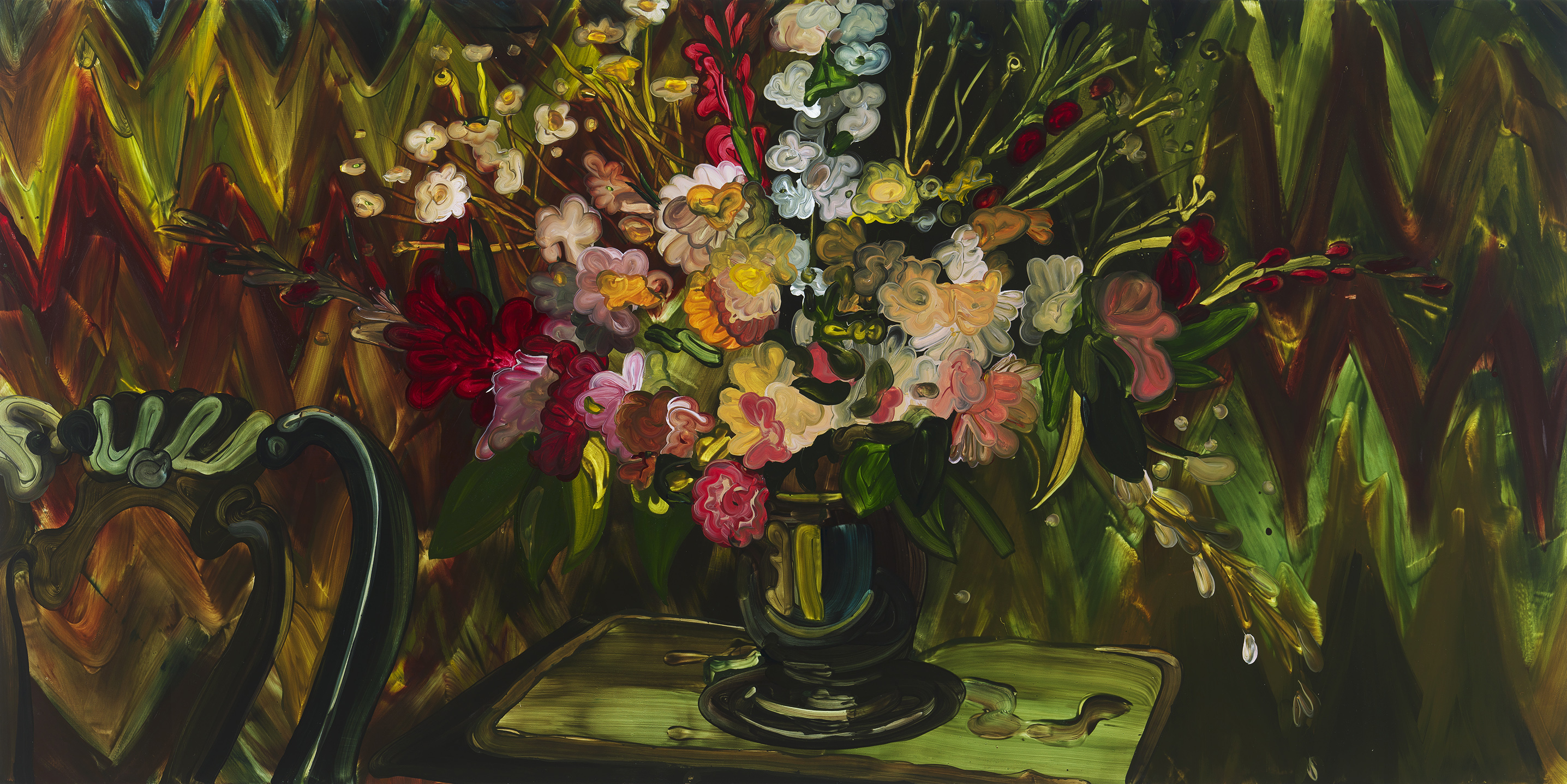
Nothing Permanent
Clare Woods Brings Beauty And Melancholy To Pitzhanger Manor
There is something quietly unsettling beneath the beauty of Clare Woods’ paintings.
Flowers wilt, colours blur into abstraction and familiar domestic objects begin to feel strangely fragile. Even at their most vibrant, her works carry the sense that something is already fading. It is precisely that tension between luminosity and loss that sits at the centre of Garden Without Seasons, Woods’ new exhibition opening this summer at Pitzhanger Manor & Gallery.
Spread throughout the historic manor and gallery spaces, the exhibition brings together 29 new and recent works created over the past four years, including paintings, collages and prints. The result feels less like a conventional retrospective and more like an immersive meditation on memory, absence and the changing ways people look at the natural world following the pandemic.
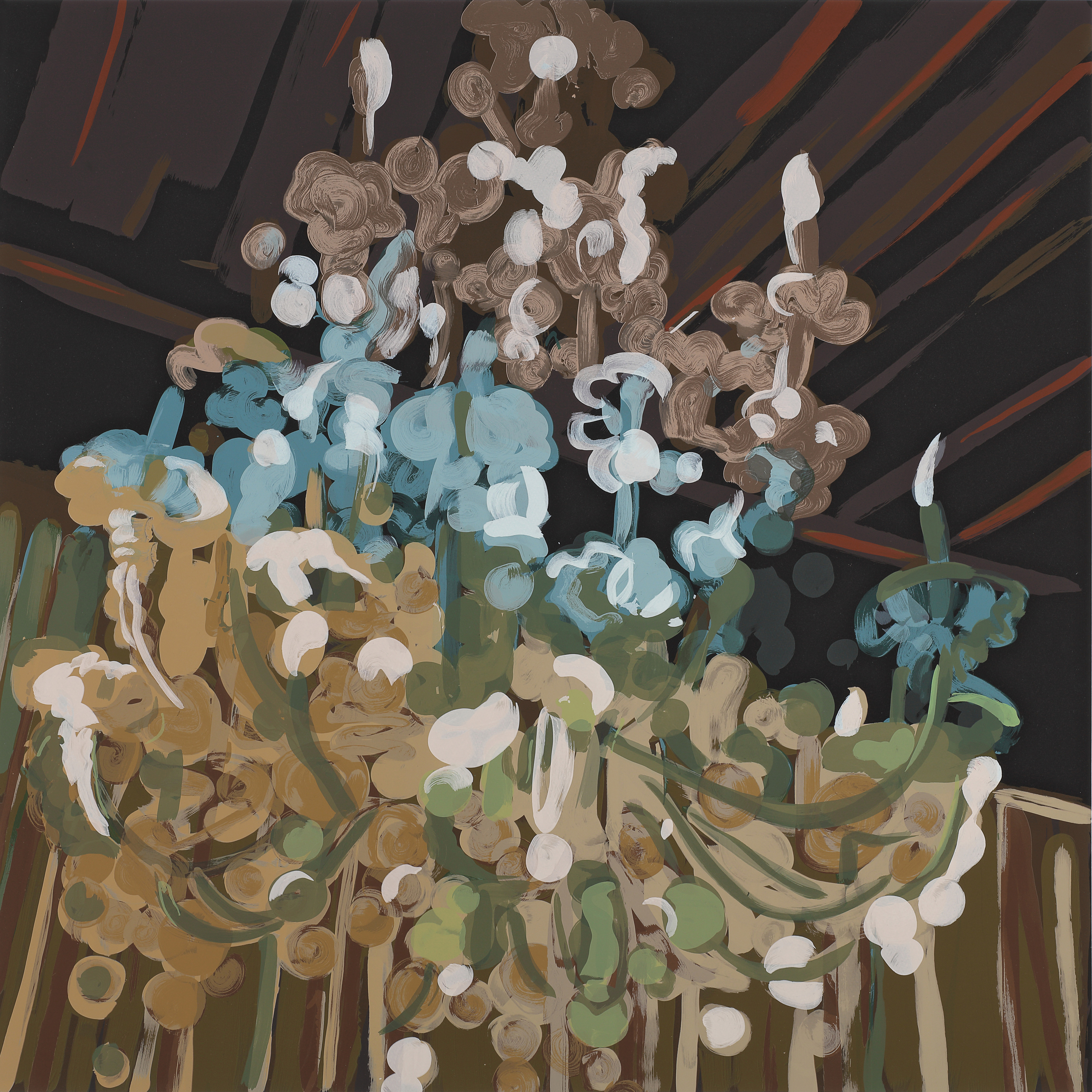
Woods has long occupied a distinctive place within contemporary British painting. Working with her trademark wet look oil technique across aluminium panels, her compositions exist somewhere between figuration and abstraction, recognisable yet constantly shifting. Flowers dissolve into movement, interiors feel fluid and glass becomes both barrier and lens.
Many of the works shown at Pitzhanger were shaped directly by the experience of lockdown and isolation. Looking through windows became one of the defining visual experiences of the pandemic years and that perspective appears repeatedly throughout the exhibition. Paintings such as Cold Case and Show All distort colour and form through panes of glass, creating compositions that feel simultaneously intimate and distant.
The effect is often hypnotic.
Yet beneath the colour sits a persistent awareness of mortality. Woods’ work draws heavily on the tradition of memento mori, the long artistic practice of using still life imagery to reflect on the fleeting nature of life itself. Flowers sent to the artist during a hospital stay appear within Nothing Permanent, while shadow and decay quietly haunt several of the exhibition’s still lifes and screenprints.
What makes the exhibition particularly compelling is the way Pitzhanger Manor itself becomes part of the conversation.
Designed by the architect John Soane in the early nineteenth century, the house remains filled with traces of its original creator despite his long absence. Woods uses that atmosphere to explore broader ideas surrounding time and disappearance, placing contemporary works inside rooms already saturated with history and memory.
There are echoes throughout of earlier artistic traditions. Giorgio Morandi’s restrained still lifes feel present in Woods’ arrangements of vessels and flowers, while her fascination with blooms inevitably recalls Dutch vanitas painting and the late floral works of Édouard Manet. Literary references also drift through the exhibition, particularly George Orwell’s wartime reflections on gardening as an act of resistance against political darkness.
And yet despite those references, the exhibition never feels overly academic.
Instead, Garden Without Seasons succeeds because it understands something fundamentally contemporary about the way people now experience images. In an age of endless scrolling and instant photography, Woods’ paintings demand slower looking. Shapes emerge gradually. Colour shifts unexpectedly. Meanings remain slightly unstable.
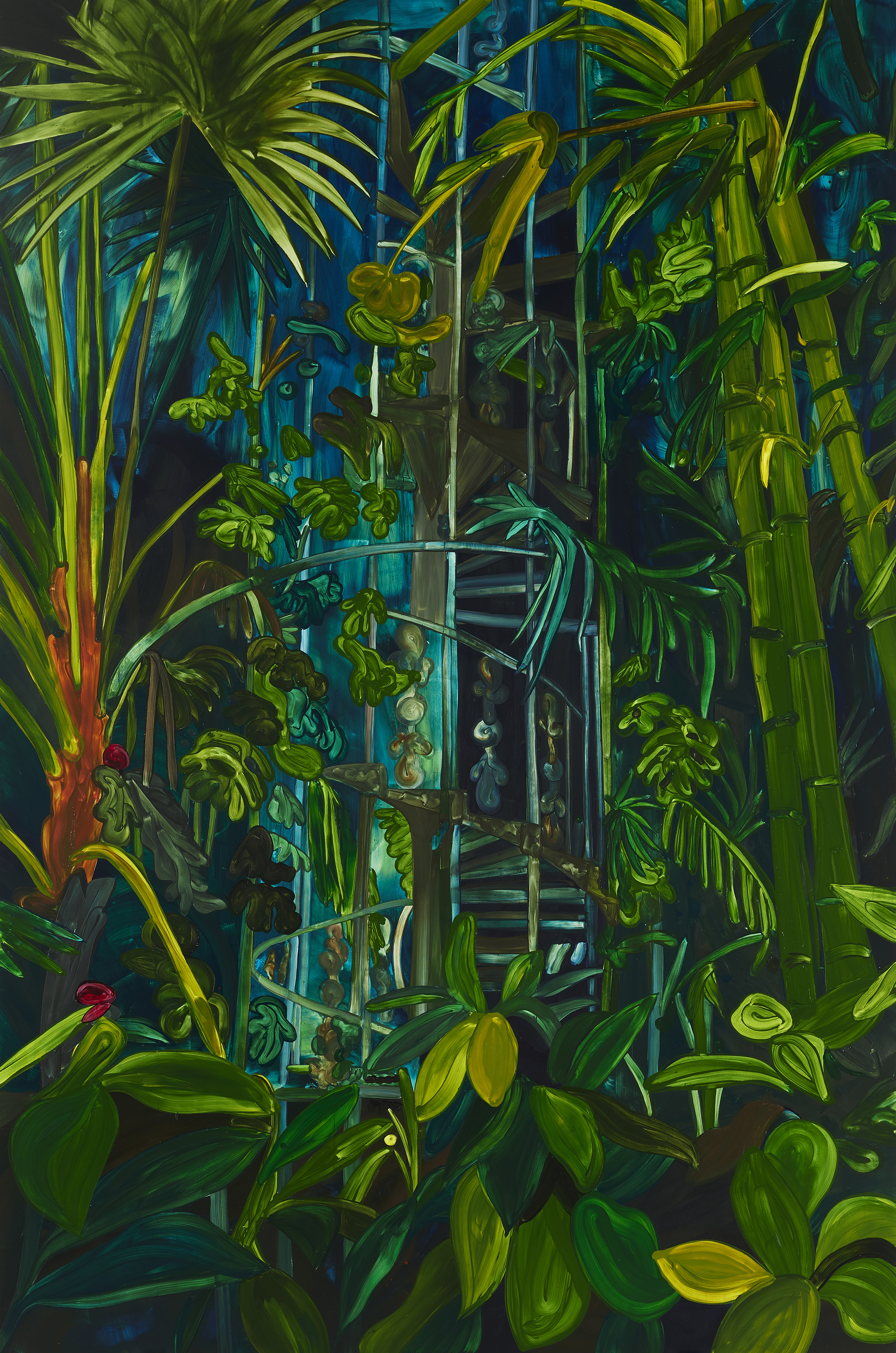
The exhibition’s most striking work, Under The Dome, captures the endangered plant life housed inside Kew Gardens’ Temperate House beneath its Victorian glass structure. It is at once lush and anxious, beautiful yet precarious. The painting becomes not simply a botanical image, but a reflection on preservation itself and the fragile systems that allow beauty to survive.
That balance between pleasure and unease runs throughout the show.
At a time when much contemporary art often leans heavily into spectacle or political messaging, Woods offers something quieter, though no less affecting. Her paintings ask viewers to pause, to look carefully and to sit with the uncomfortable reality that beauty and impermanence are often inseparable.
Continue Reading
More Art & Design
Why Art Basel Is Turning To Trees In Search Of Calm
Sir John Soane’s Museum Explores the Surreal World of Madelon Vriesendorp
Lu Yang Turns the Louis Vuitton Espace in Venice Into a Digital Temple of Identity, Illusion, and Reincarnatio
Austria’s Pavilion at the Venice Biennale Becomes a Living System, Not an Exhibition

Stories worth your
weekend.
A handpicked dispatch from Hinton's editors. The long reads, the people, the openings, the things worth knowing. No filler.