Constable’s Suffolk Returns Home As The Hay Wain Travels East
The Hay Wain returns to Suffolk for the first time since the 19th century as Christchurch Mansion hosts Constable's 250th anniversary exhibition this summer.
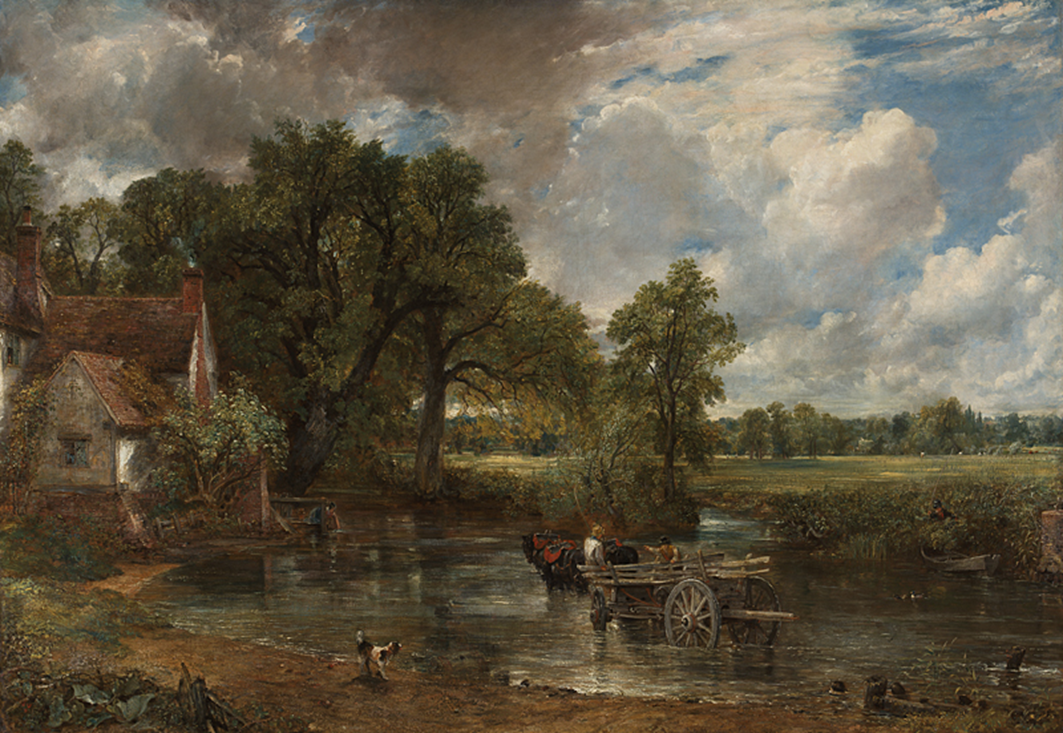
John Constable
There are few paintings more deeply woven into the English imagination than The Hay Wain. Reproduced endlessly on calendars, biscuit tins and classroom walls, it has long since escaped the confines of the gallery to become something closer to a national memory.
And yet, despite its inseparable association with Constable Country, the painting itself has never before returned to Suffolk since entering the collection of the National Gallery in the nineteenth century.
This summer, that changes.
As part of the celebrations marking the 250th anniversary of John Constable’s birth, Christchurch Mansion in Ipswich will host The Hay Wain: Walking Constable’s Landscape, an ambitious exhibition reuniting the painting with preparatory sketches and more than 70 loans drawn from institutions including the Tate, V&A, Royal Academy and National Galleries of Scotland.
The exhibition’s greatest strength lies in understanding that Constable was never simply a painter of landscapes. He was a painter of attachment.
The fields, rivers and skies of Suffolk were not romantic inventions composed from imagination. They were places he walked repeatedly, observed obsessively and carried with him long after leaving East Bergholt for London. Even at the height of his success, Constable continued returning emotionally to the Stour Valley landscapes that shaped his eye and identity.
“I even love every stile and stump, and every lane in the village,” he wrote in 1800 to his friend John Dunthorne.
That sentence quietly explains almost everything about his work.
What emerges throughout the exhibition is not simply pastoral beauty, but intimacy. Constable painted the Suffolk countryside with the familiarity of someone who knew not only its appearance, but its weather, silences and rhythms. The landscapes feel inhabited because they were.
Perhaps most remarkable is how unchanged much of that landscape remains. Visitors are encouraged not merely to admire the paintings within Christchurch Mansion, but to walk the same riverside paths and lanes Constable himself once followed through Flatford and Dedham Vale. In an age of relentless development and cultural acceleration, the survival of those views feels almost improbable.
The exhibition also succeeds in restoring complexity to an artist too often reduced to comforting nostalgia.
Constable’s England is frequently treated as a sentimental vision of rural tranquillity, yet his work was painted against the backdrop of enormous national transformation. Industrialisation was reshaping Britain economically, socially and visually. His landscapes therefore carry an undercurrent of preservation, an instinct to hold onto something already beginning to disappear.
That tension becomes particularly striking when standing before works such as Dedham Vale or Boat Building near Flatford Mill, where the natural world and human labour still exist in fragile balance.
There are also quieter pleasures throughout the exhibition.
Constable’s paint box, sketches and personal objects help humanise a figure so often elevated into myth, while a carved wooden mill made by the artist as a teenager offers a glimpse into the restless observational instinct already forming decades before The Hay Wain itself.
Most affecting of all, however, is the exhibition’s emphasis on walking.
Modern audiences are accustomed to consuming images instantly and remotely. Constable’s work reminds us that landscape was once experienced physically, gradually and repeatedly. His paintings emerged not from fleeting observation, but from immersion. They were shaped by movement through the countryside itself.
That idea gives the exhibition an unexpectedly contemporary relevance.
At a time when conversations around place, belonging and English identity increasingly feel politically loaded or culturally uncertain, Constable’s landscapes offer something steadier and more enduring. Not nationalism exactly, but rootedness. A belief that places matter because memory accumulates within them.
For all its familiarity, The Hay Wain still possesses the ability to stop viewers in their tracks. Bringing it back to Suffolk only deepens that emotional pull.
After two centuries, Constable’s most famous landscape is finally returning to the landscape that made it possible.
Continue Reading
More Art & Design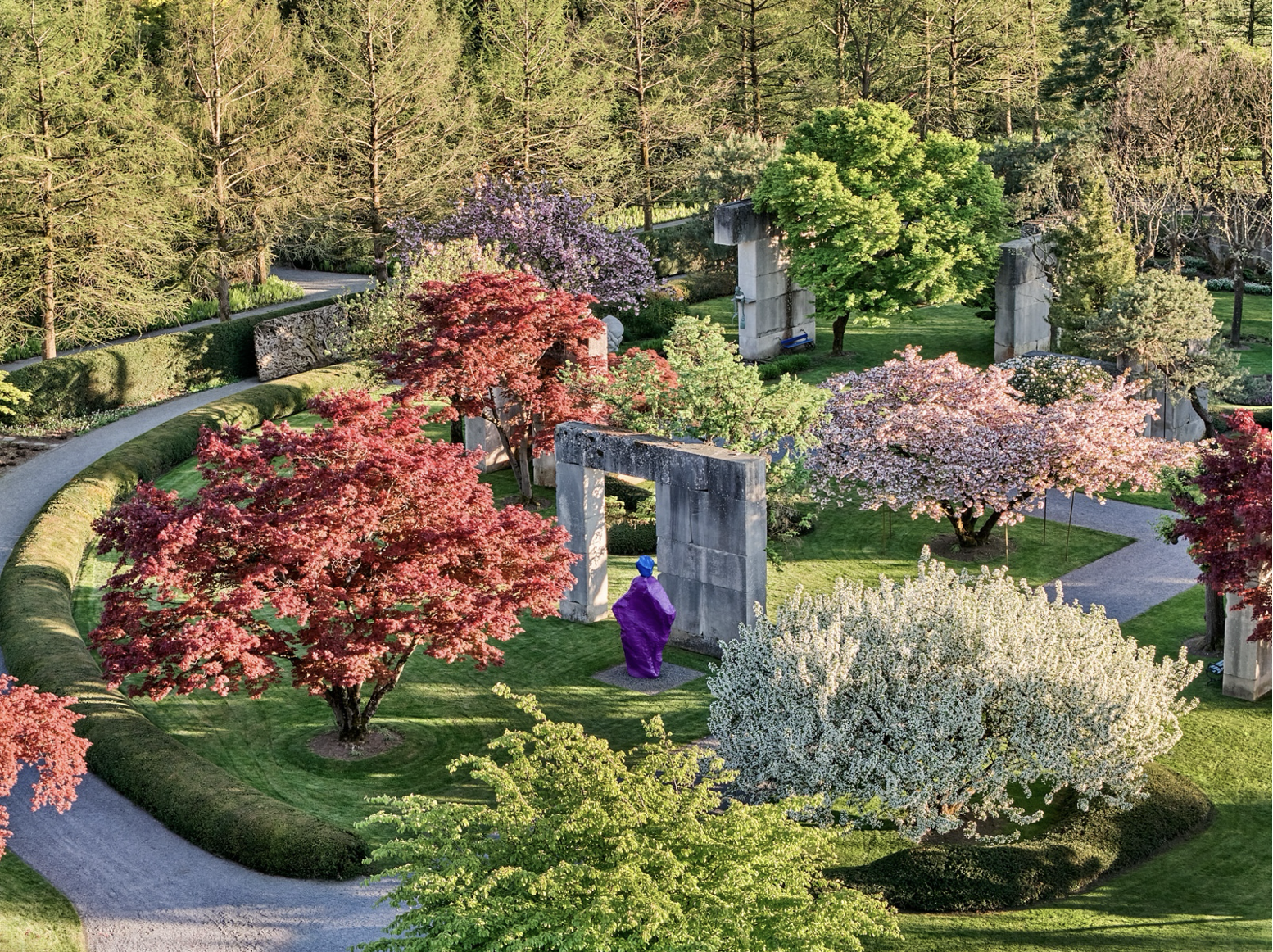
Why Art Basel Is Turning To Trees In Search Of Calm
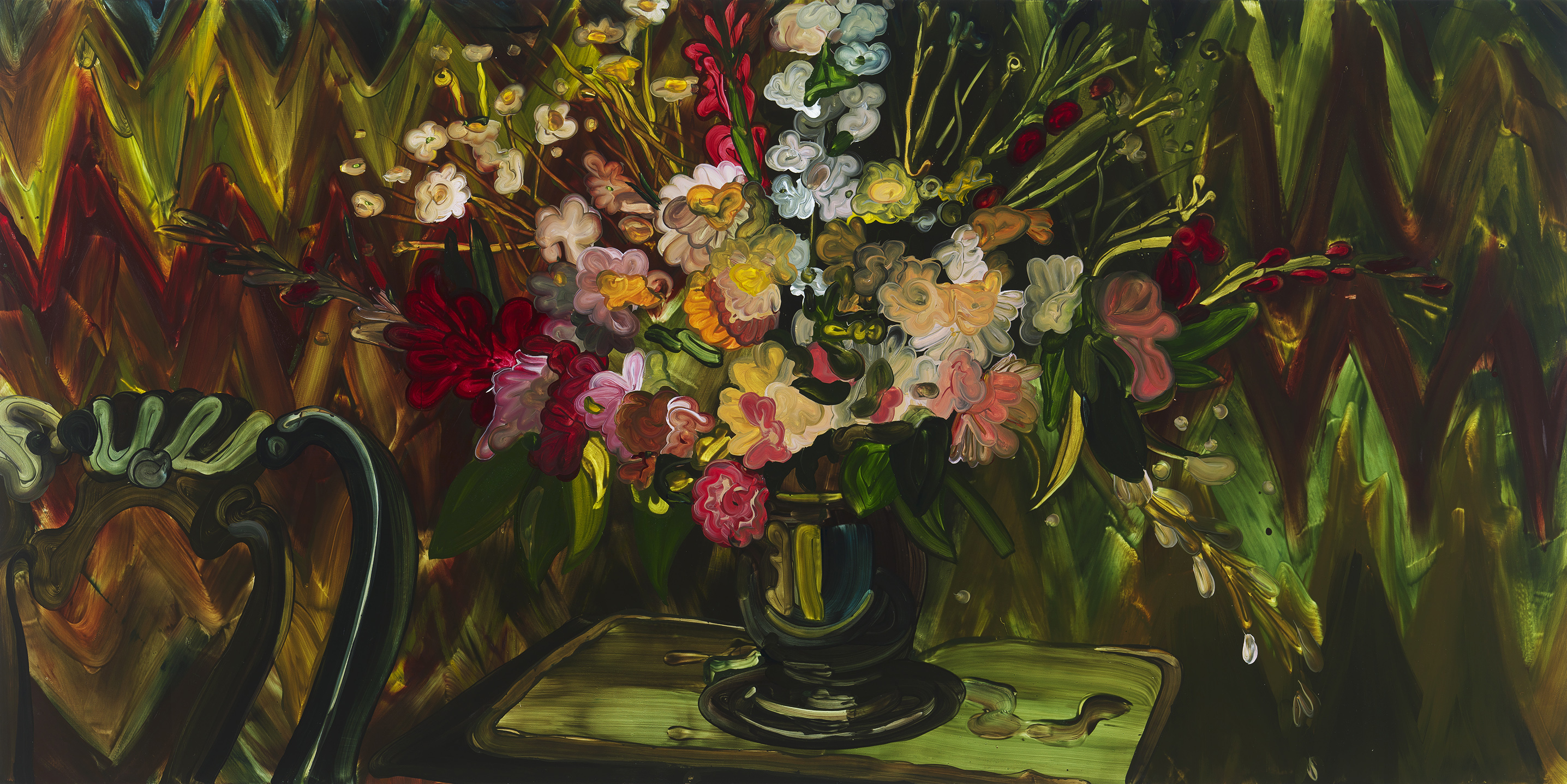
Clare Woods Brings Beauty And Melancholy To Pitzhanger Manor

Sir John Soane’s Museum Explores the Surreal World of Madelon Vriesendorp
Lu Yang Turns the Louis Vuitton Espace in Venice Into a Digital Temple of Identity, Illusion, and Reincarnatio

Stories worth your
weekend.
A handpicked dispatch from Hinton's editors. The long reads, the people, the openings, the things worth knowing. No filler.