Britain’s Inflation Relief May Prove Short Lived
Britain's inflation fell to 2.8% in April, but the decline is driven by temporary energy bill cuts rather than genuine economic improvement.

Photo by Jack Lee on Unsplash
For a government badly in need of economic good news, this morning’s inflation figures offered a welcome headline. The Office for National Statistics confirmed that CPI inflation fell to 2.8 per cent in April, down from 3.3 per cent the previous month and below most City forecasts. It is the first meaningful slowdown of the year and the lowest reading since March 2025.
Rachel Reeves will understandably attempt to present the figures as evidence that inflation is finally moving back under control. After months dominated by rising borrowing costs, weak growth and warnings of renewed price pressure following instability in the Middle East, the government can at least point to a softer headline number.
The difficulty is that the underlying picture remains considerably more complicated than the headline suggests.
Much of April’s decline was driven not by a fundamental easing of economic pressure, but by temporary reductions in household energy bills following changes to Ofgem’s energy price cap and government measures designed to soften costs. Electricity prices fell sharply during the month, helping offset a substantial rise in fuel prices linked to instability in global energy markets.
That distinction matters because many of the inflationary pressures weighing on the British economy have not disappeared. In some areas, they are intensifying.
Motor fuel prices rose sharply year on year in April, while producer input costs also accelerated as rising oil prices fed through supply chains, raising the prospect that businesses will continue passing higher costs onto consumers over the coming months.
The Bank of England is acutely aware of that risk. While headline inflation has eased for now, policymakers remain concerned about what happens later in the year if energy markets remain volatile. Andrew Bailey has already warned the Treasury that geopolitical instability has materially altered the near term inflation outlook, particularly through higher oil and gas prices.
That explains why markets reacted cautiously rather than euphorically to the latest figures.
There is relief that inflation has not accelerated further, but little sense that Britain’s cost of living pressures have genuinely been resolved. Prices are still rising across much of the economy. Households continue to face elevated mortgage costs, food prices remain stubbornly high by historical standards and confidence in Britain’s wider economic trajectory remains fragile.
The political challenge for Labour is that voters increasingly judge the economy through lived experience rather than technical economic data. Inflation slowing from 3.3 per cent to 2.8 per cent may matter enormously inside the Treasury and the Bank of England. For families still struggling with housing costs, energy bills and stagnant disposable income, the distinction feels less meaningful.
That broader frustration is becoming politically significant.
The continued rise of Nigel Farage and Reform UK reflects something deeper than conventional protest politics. Across parts of Britain there is a growing sense that economic pressure, weak growth and declining living standards are no longer temporary problems but symptoms of a country struggling to regain confidence in its own direction. Inflation may be easing statistically, but politically the damage caused by years of squeezed incomes and stagnant prosperity continues to shape the national mood.
For Labour, that creates a difficult balancing act. Falling inflation offers the government an argument that stability is gradually returning, yet many voters remain unconvinced that their own financial reality is improving at the same pace as the economic data. There are also wider structural concerns Britain has still not properly confronted. Productivity growth remains weak, business investment subdued and public finances stretched after years of economic stagnation. Even if inflation gradually eases back toward the Bank of England’s target, the country still faces difficult questions about long term growth, energy resilience and living standards.
That is why ministers should resist the temptation to celebrate too loudly.
The April figures undoubtedly offer short term relief, particularly after fears that energy prices would push inflation sharply higher again during the spring. Core inflation also eased more than expected, while services inflation softened modestly.
Yet Britain’s inflation problem increasingly resembles a chronic condition rather than a solved crisis.
The economy remains highly exposed to global energy shocks, household resilience is weak and many businesses are still operating under severe cost pressure. A single softer inflation reading does not change those realities.
For now, the government can claim progress.
Whether the public feels it is another question entirely.
Continue Reading
More News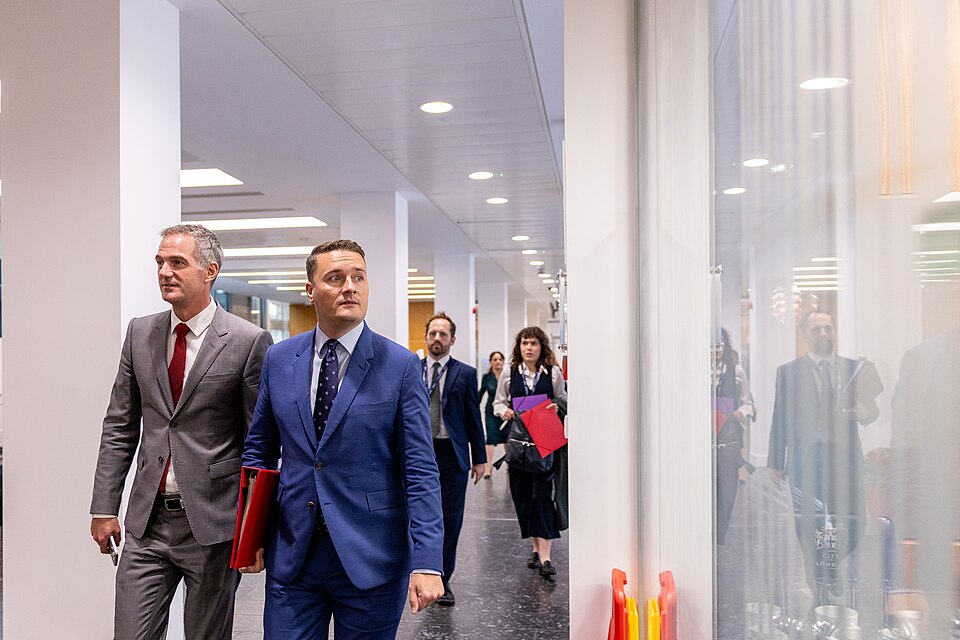
Wes Streeting’s resignation speech exposed Labour’s growing identity crisis
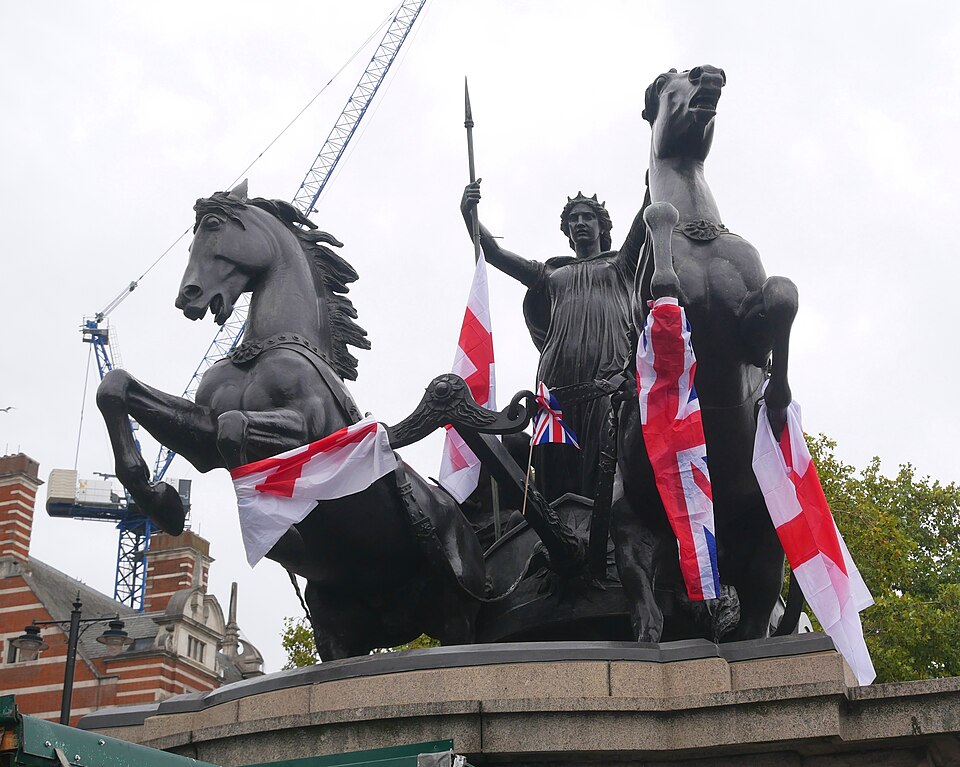
London Braces For Major Unite The Kingdom Demonstration As Political Tensions Rise
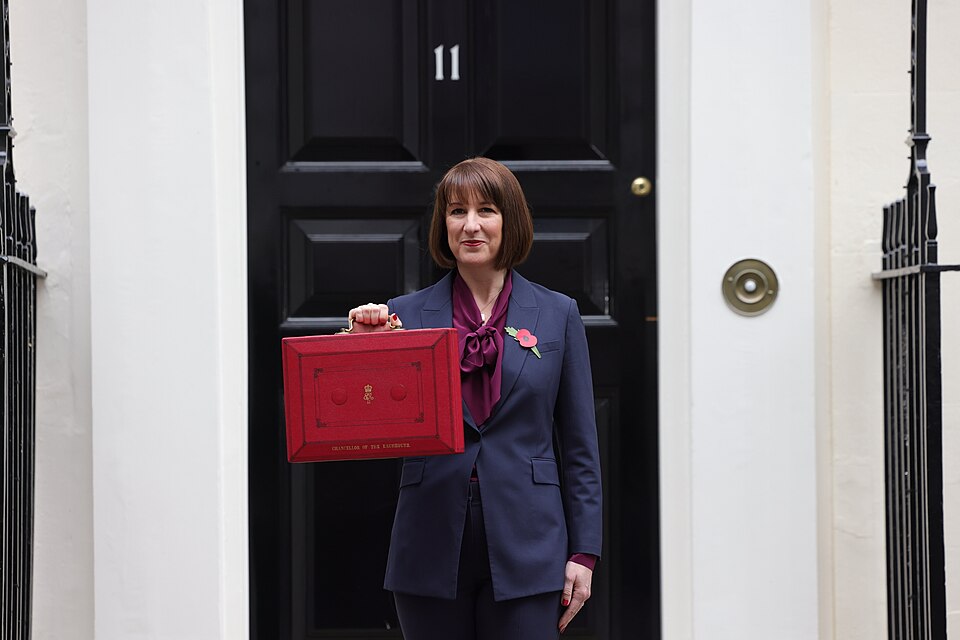
UK Borrowing Costs Climb To Fresh Financial Crisis Era High As Markets Lose Confidence In Political Direction
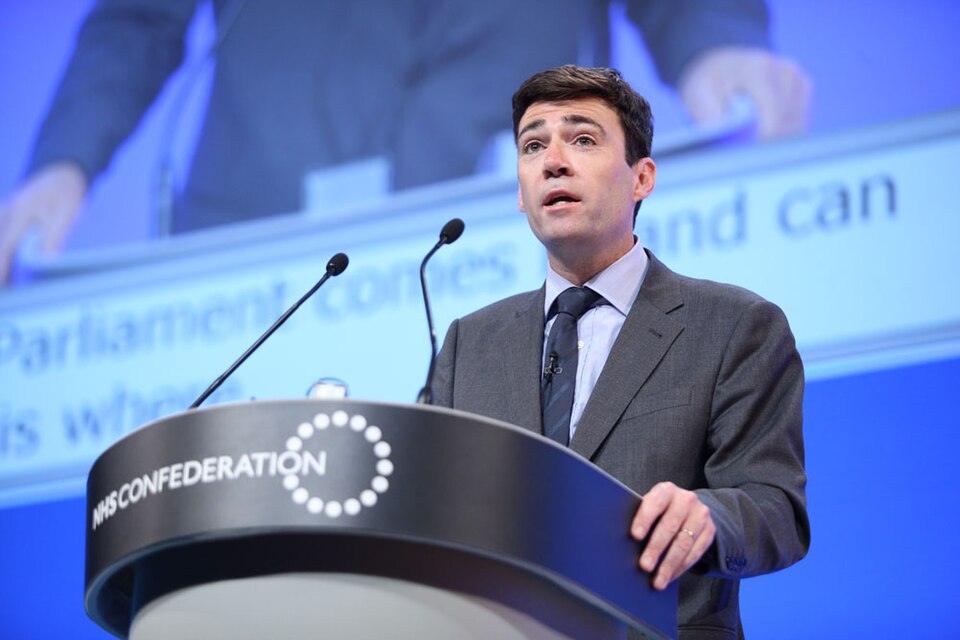
Burnham’s Westminster Return Could Become Labour’s Biggest Political Test Yet

Stories worth your
weekend.
A handpicked dispatch from Hinton's editors. The long reads, the people, the openings, the things worth knowing. No filler.