New study reveals there are thousands of bacteria living on our everyday tech devices
Discover the shocking truth about the bacteria living on your tech devices! Find out how to clean your gadgets and protect yourself from germs.
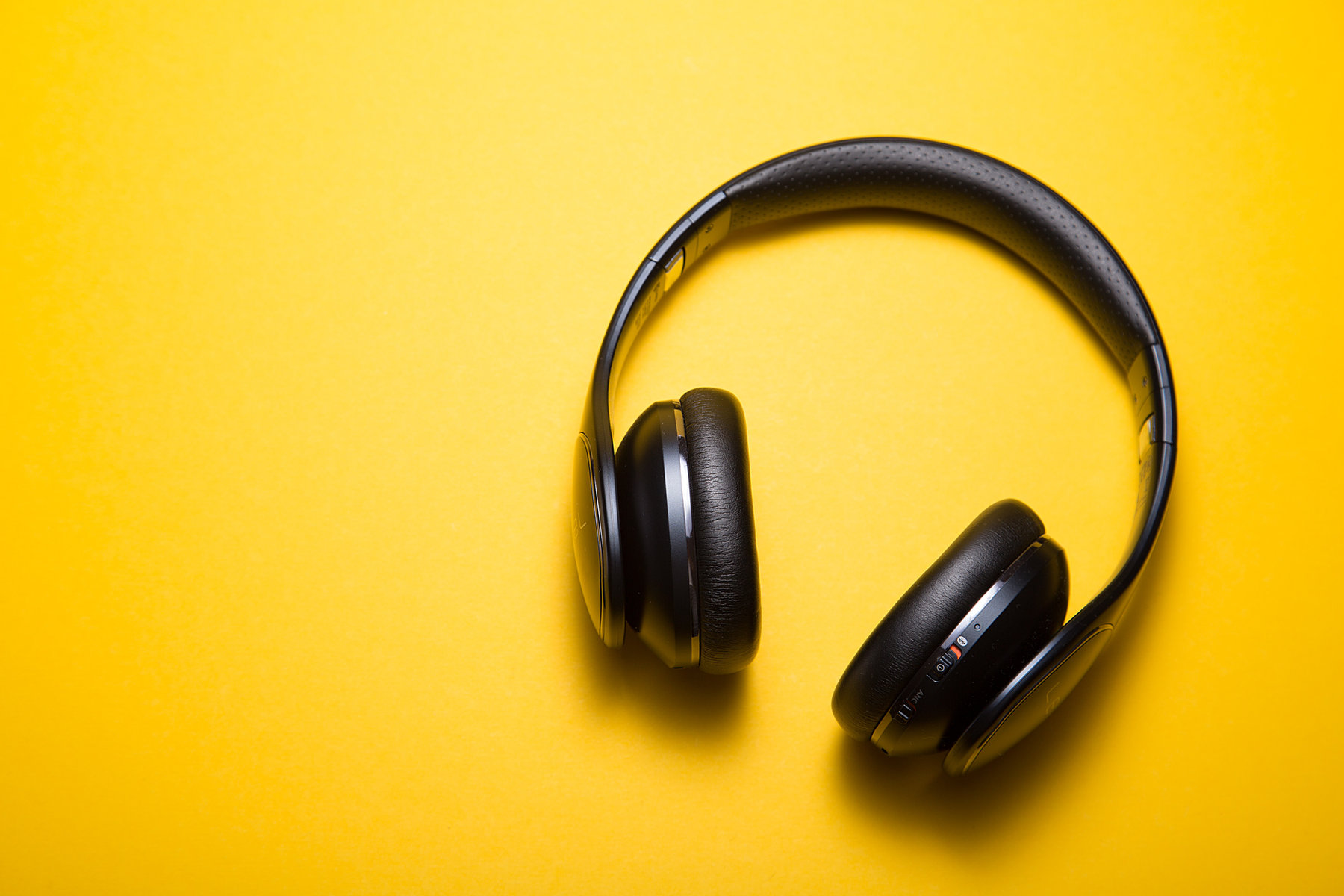
Cloud cost optimization platform CloudZero has conducted a tech experiment to determine how dirty everyday gadgets are and how we can clean our devices
The average set of headphones is twice as dirty as a toilet seat, with 1,073 colonies of bacteria growing.
Mold was found to be growing on the majority of tech devices analyzed.
Medical Director, Dr. Maria Knobel shares the importance of cleaning your tech devices regularly to avoid sickness.
In the wake of COVID-19, the world is more conscious of germs than ever. To find out how much bacteria our devices pick up, cloud cost optimization platform CloudZero swabbed mobile phones, laptops, headphones, computer mice, and keyboards. These samples were sent to a lab for analysis to determine the number of microbes on our everyday tech gadgets and to identify the various types of bacteria present.
You can find more information below and the full findings here: https://www.cloudzero.com/blog/tech-bacteria-experiment/
Headphones harbor the most bacteria, with an average of 1,073 colonies — double the amount found on a toilet seat
Headphones presented the most bacteria, with an average of 1,073 colonies growing. That’s twice as dirty as the 425 bacteria growths on a toilet seat. For some headphones, this number increased to above 3,000 counts of bacteria.
After headphones, laptops harbor the next highest amount of bacteria, averaging 645 colonies per sample. Some samples exceeded over 3,000 counts of bacteria — over seven times dirtier than a toilet seat and more than twice as many as a bin.
The average computer mouse is home to 408 bacteria colonies, with some exceeding 3,000. Keyboards take fourth place, averaging 237 colonies — cleaner than a toilet seat but dirtier than a bus handle. Some keyboards reached up to 970 colonies, making them twice as dirty as a toilet seat.
Mobile phones were the “cleanest” devices in the experiment, averaging 187 bacterial colonies — just three fewer than a bus handle. However, the dirtiest phone tested had 1,130 colonies, making it dirtier than a public trash can.
Average Number Of Bacteria Colonies
Bacteria like Staphylococcus and Micrococcus were found on most devices, while antibiotic-resistant Pseudomonas was detected on headphones and computer mice
Bacteria such as staphylococcus and Micrococcus, commonly found on human skin and in the environment, were discovered on most devices. While mostly harmless, staphylococcus can cause infections, and Micrococcus may pose risks for those with weakened immune systems.
A third type of bacteria was also identified on some mice and headphones called pseudomonas, which is commonly found in soil and plants. Pseudomonas is known for surviving in diverse environments, and its antibiotic resistance makes it especially dangerous for those with weakened immune systems.
Of all the devices, mold was most commonly found on laptops. As it reproduces by releasing spores in the air, this fungus can cause respiratory issues and airway irritation, particularly in individuals with asthma.
Dr. Maria Knobel, Medical Director of Medical Cert UK shares the importance of cleaning your tech devices:
“Tech devices, like smartphones, are touched frequently and placed on various surfaces — desks, counters, public transport, and bathrooms — collecting germs that easily transfer to our hands and face. For example, using a phone while eating, placing it on the gym floor, and later holding it to your face leads to an accumulation of bacteria, dirt, and oils.
“Devices should be cleaned daily to minimize the risk of infections like colds, flu, or acne, especially for those with active lifestyles who regularly expose their phones to different environments. A microfiber cloth and electronic-safe disinfectant help remove harmful buildup, reducing the chance of transferring germs.
“During cold and flu seasons, tech devices can harbor viruses for up to 24 hours, increasing the risk of transmission. Regular cleaning is crucial, particularly if devices are shared with others, to prevent the spread of germs at home or work.”
Continue Reading
More Technology
Krafted Launches Kickstarter Campaign for Edge, the World’s First Slim Laptop Power Bank with a Replaceable Ba

Vinted’s €8 Billion Valuation Signals That Resale Is No Longer Adjacent To Retail. It Is Retail.

team.blue Pushes AI Into The Core Of Small Business Infrastructure
Stop Killing Your Houseplants: The £35 Smart Sensor That Finally Tells You Exactly What Your Plants Need

Stories worth your
weekend.
A handpicked dispatch from Hinton's editors. The long reads, the people, the openings, the things worth knowing. No filler.