IWC Schaffhausen Builds a Watch for a Place Where Time Stops Making Sense
Discover how IWC Schaffhausen crafts a watch for space, where time defies norms. Explore IWC Schaffhausen's innovative design for orbit.
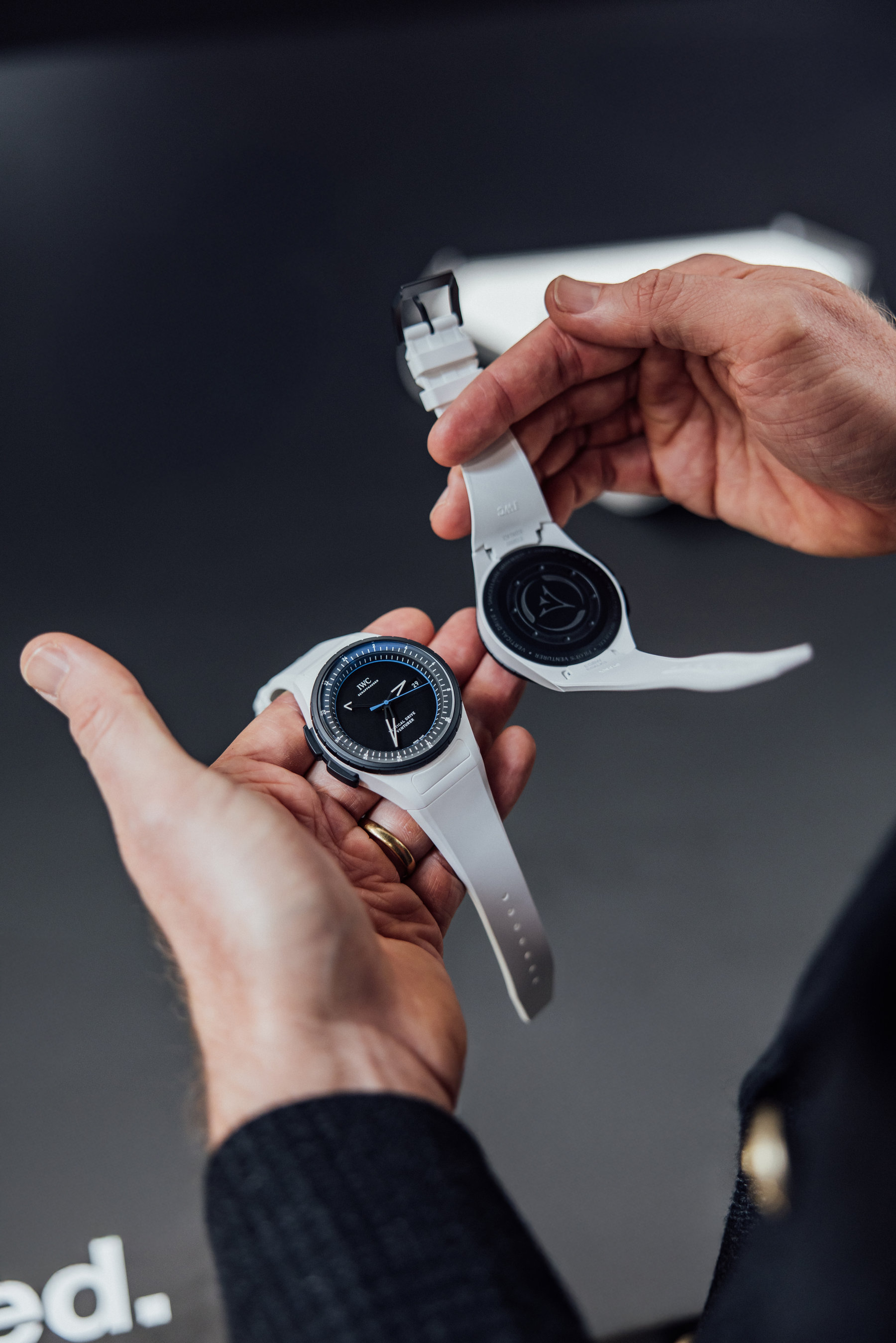
There is a point somewhere above the atmosphere where time stops behaving in any recognisable way. Not in a philosophical sense, but in a practical one. A spacecraft circles the Earth every ninety minutes, pulling astronauts through sixteen sunrises and sixteen sunsets in what we would still call a single day. The rhythm that governs life on the ground disappears, replaced by something far more mechanical. Time becomes something you follow because you have to, not because you feel it.
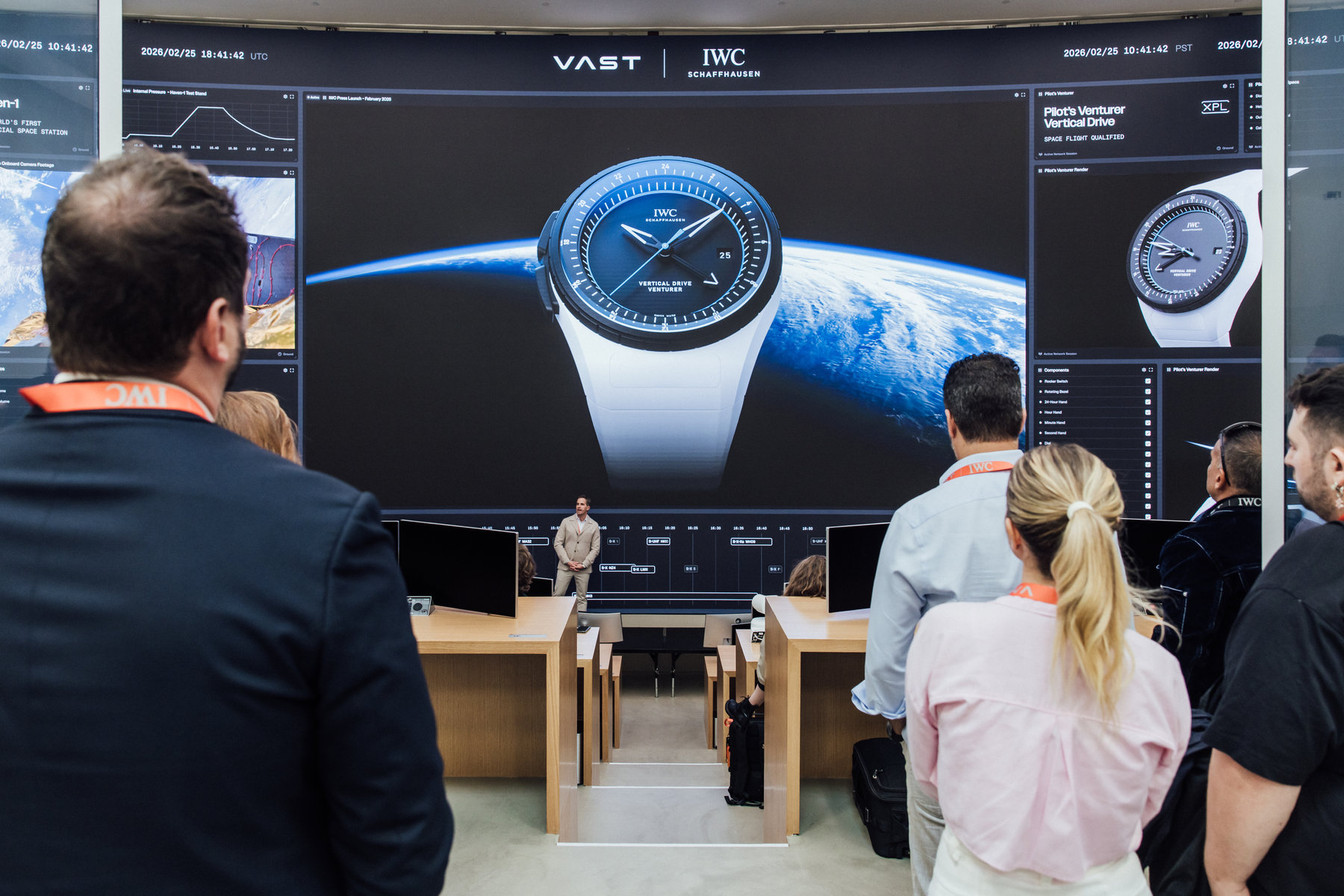
That is the problem IWC Schaffhausen has set out to address. Not with a concept or a symbolic gesture, but with a watch designed to function in orbit. The Pilot’s Venturer Vertical Drive has been engineered with that environment in mind and has now been qualified for flight, which places it firmly outside the usual territory of luxury watchmaking and into something more operational.
The functionality is straightforward and deliberate. A 24 hour display anchored to GMT and UTC gives astronauts a constant reference point to Earth time, which remains essential for mission coordination as well as maintaining a sense of routine. In space, where the natural cues of day and night no longer exist, that structure becomes critical. This is less about convenience and more about necessity.
The design follows that same line of thinking. Microgravity removes any expectation of fixed orientation, which means a watch cannot rely on being read in a single position or from a single angle. The Vertical Drive has been built to accommodate movement in all directions, prioritising clarity and usability over anything ornamental. It is compact, considered, and designed to be handled in conditions where precision matters.
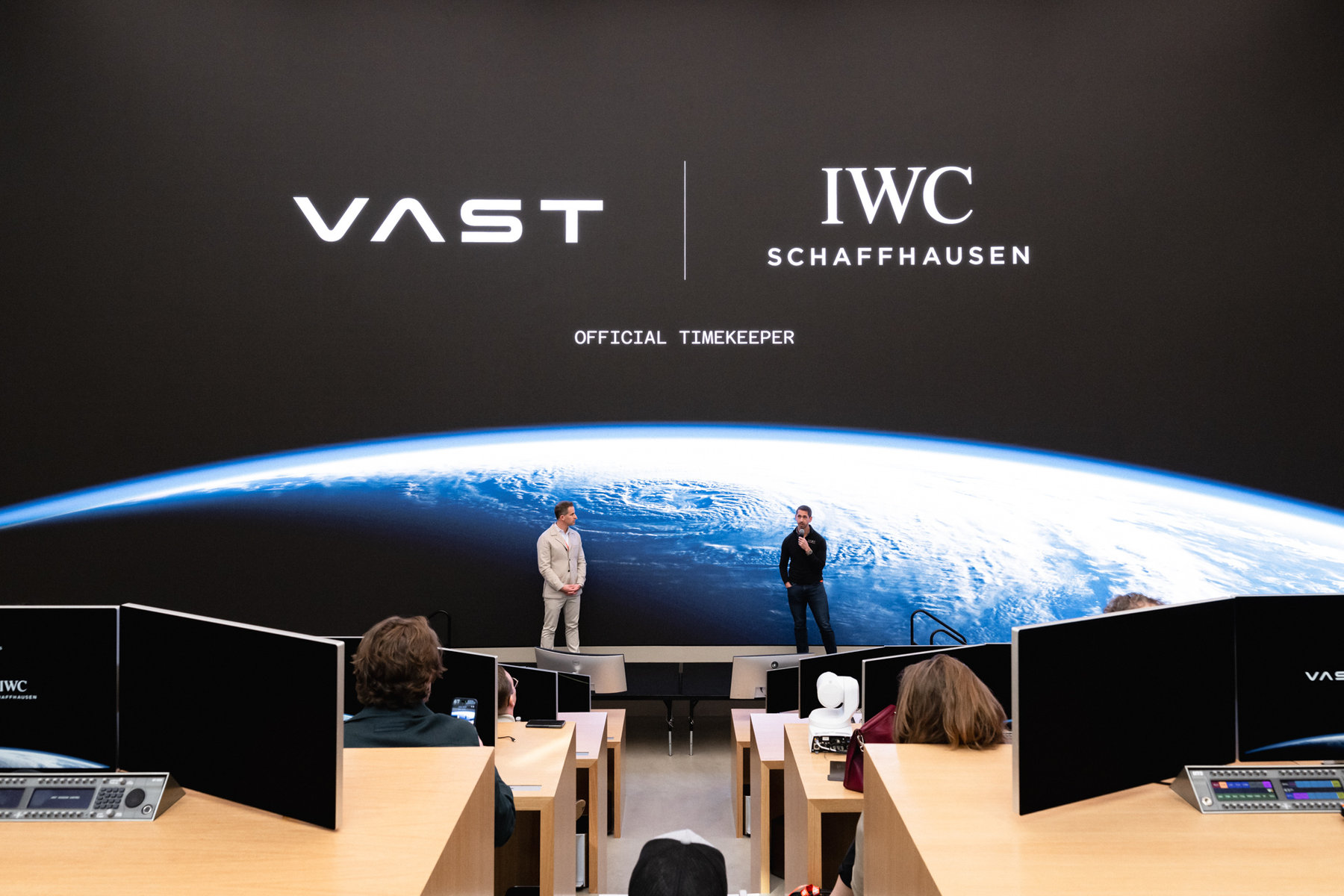
The collaboration with Vast reflects a broader shift in how space is being approached. Haven-1, their planned commercial space station, signals an ambition to make human presence in orbit more consistent and more accessible. That requires equipment that is built specifically for the environment, rather than adapted for it after the fact. This watch sits within that mindset, not as a statement piece, but as a functional tool.
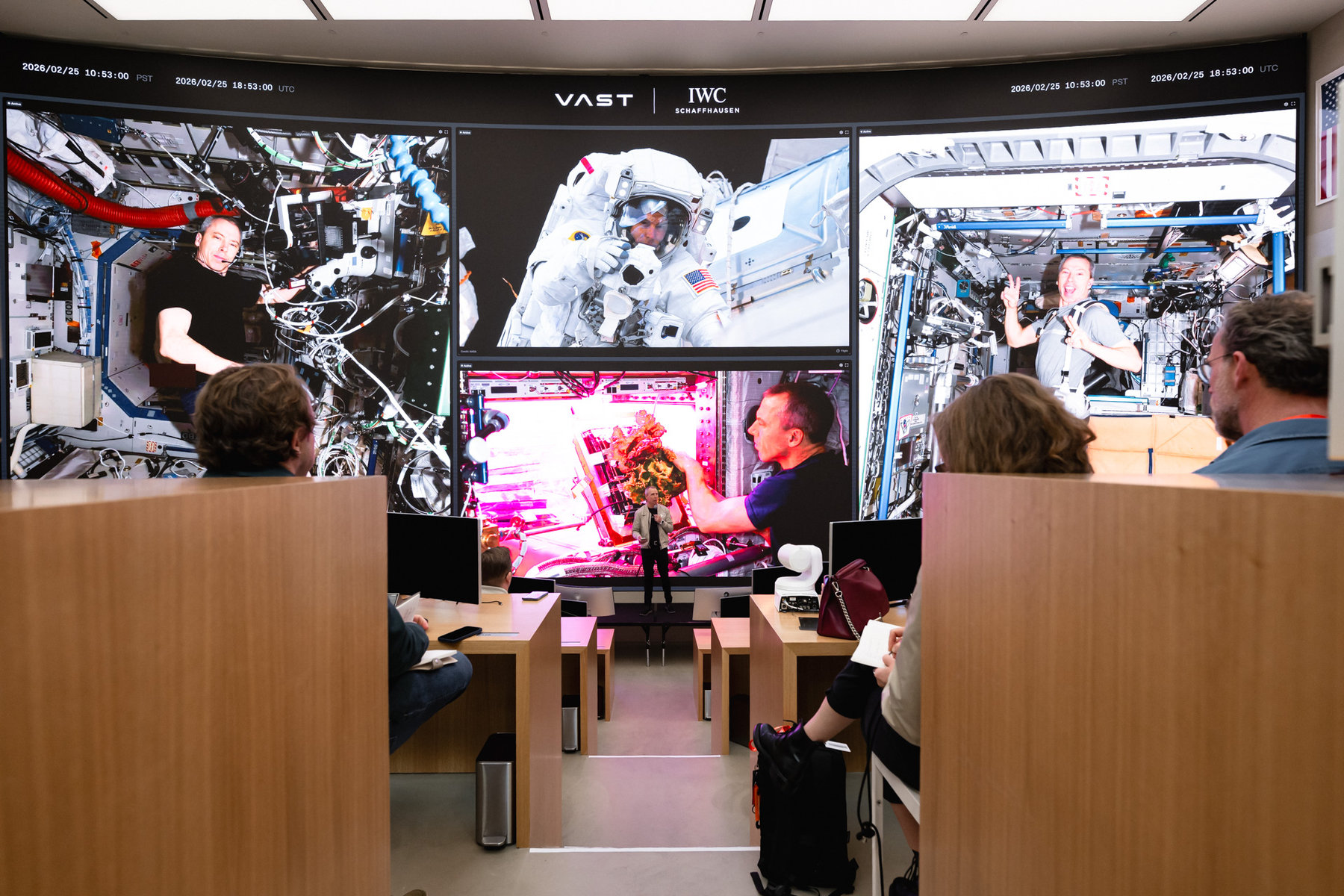
Andrew Feustel, Vast’s lead astronaut, has been clear about the role timekeeping plays beyond Earth. Without a natural sense of time, astronauts rely entirely on structured systems to define their day. The clock becomes the framework everything else is built around. Watches have been taken into space before, but this marks a shift towards designing them explicitly for that purpose rather than simply proving they can endure it.
For Chris Grainger-Herr, the move is consistent with the brand’s history. Aviation once demanded the same level of focus on precision and reliability, and space presents a similar challenge on a different scale. The transition feels measured rather than dramatic, as though this was always part of the trajectory.
What stands out is the absence of exaggeration. There is no attempt to frame space as something abstract or cinematic. It is treated as a working environment, and the watch as a piece of equipment designed to function within it. That clarity gives the project its weight. It is not about redefining what a watch can be, but about ensuring it performs when the conditions demand it.
Continue Reading
More Fashion
Barney's Originals understands that great leather never really goes out of style

Two Photographers, One Vision Split in Two . The 2027 Pirelli Calendar Rewrites Its Own Rules

MiOwne’s Revival Collection Knows Exactly What It’s Doing

Layla Swimwear: Ibiza, Elegance and the Art of Conscious Luxury

Stories worth your
weekend.
A handpicked dispatch from Hinton's editors. The long reads, the people, the openings, the things worth knowing. No filler.