From Rembrandt To Matisse, Dublin Is Making A Serious Case For Paper As Europe’s Most Intimate Artistic Battle
Discover how Dublin's National Gallery celebrates Rembrandt to Matisse, highlighting Europe's artistic evolution through intimate works on paper.
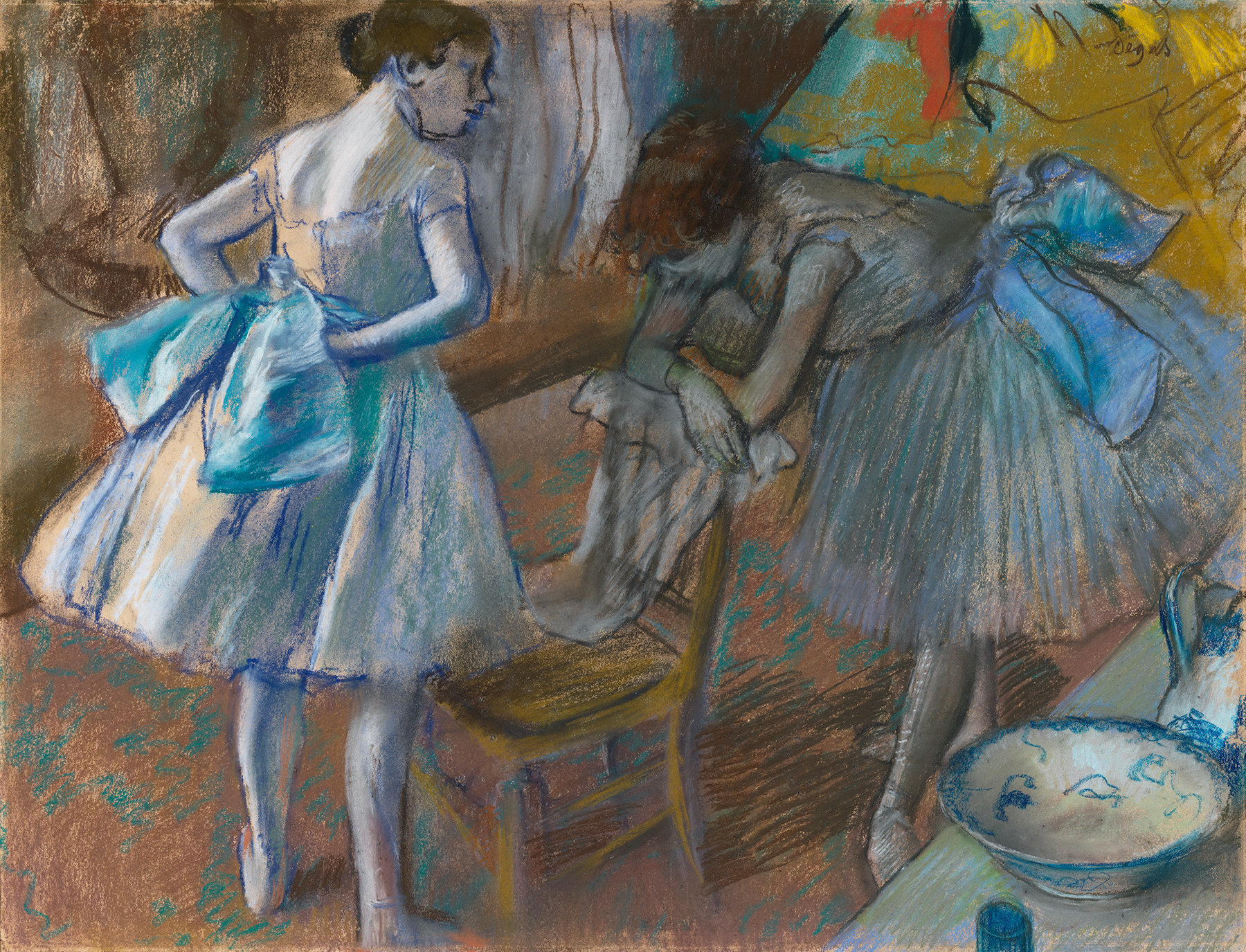
In a cultural era increasingly shaped by spectacle, scale, and blockbuster exhibition design, the National Gallery of Ireland’s Rembrandt to Matisse – A Celebration of European Works on Paper arrives with a more assured proposition. Rather than relying on monumental canvases or immersive theatrics, this exhibition turns its focus toward something often quieter but far more revealing: paper as the site where Europe’s greatest artists tested ideas, refined vision, and exposed the mechanics of genius itself.
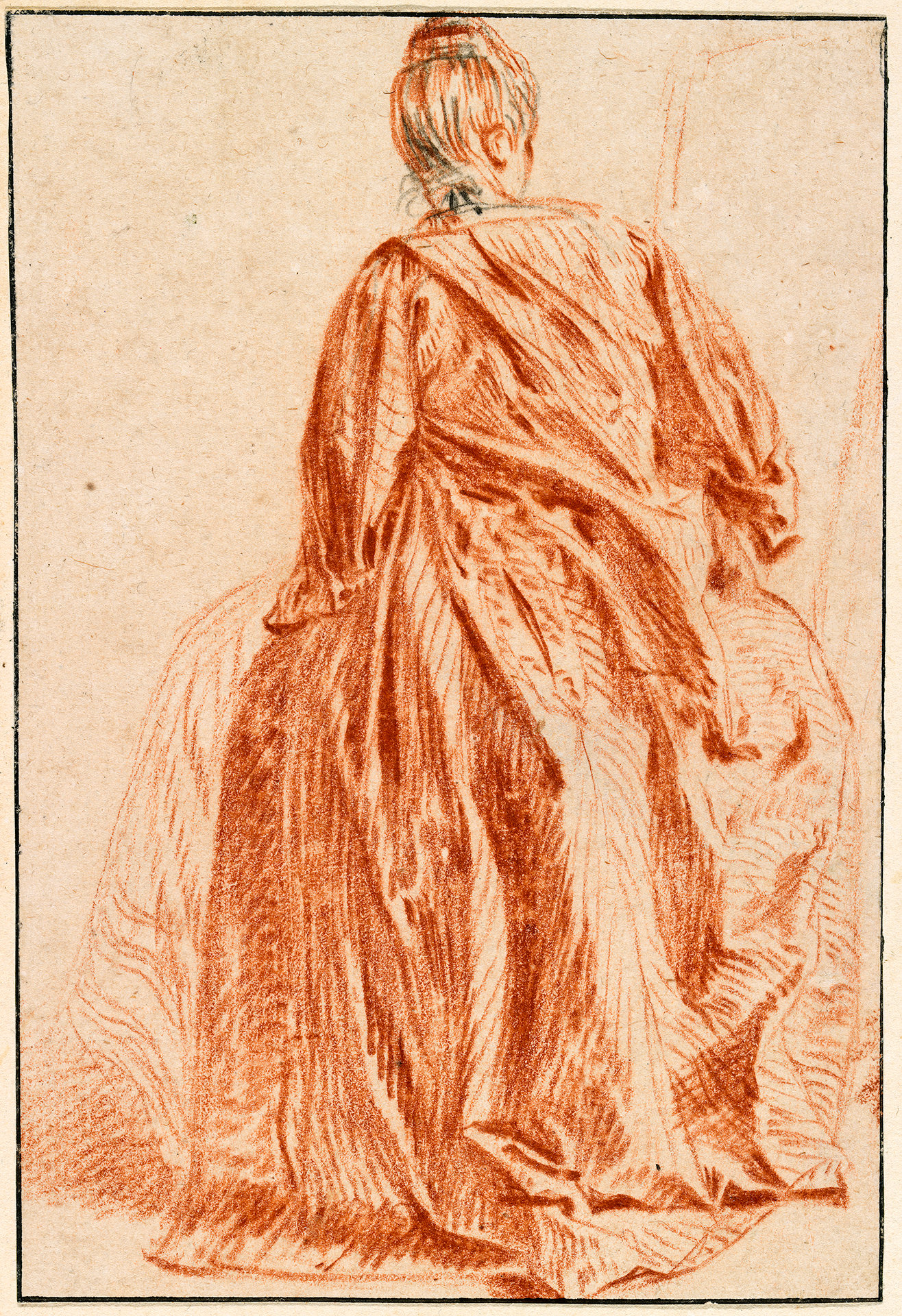
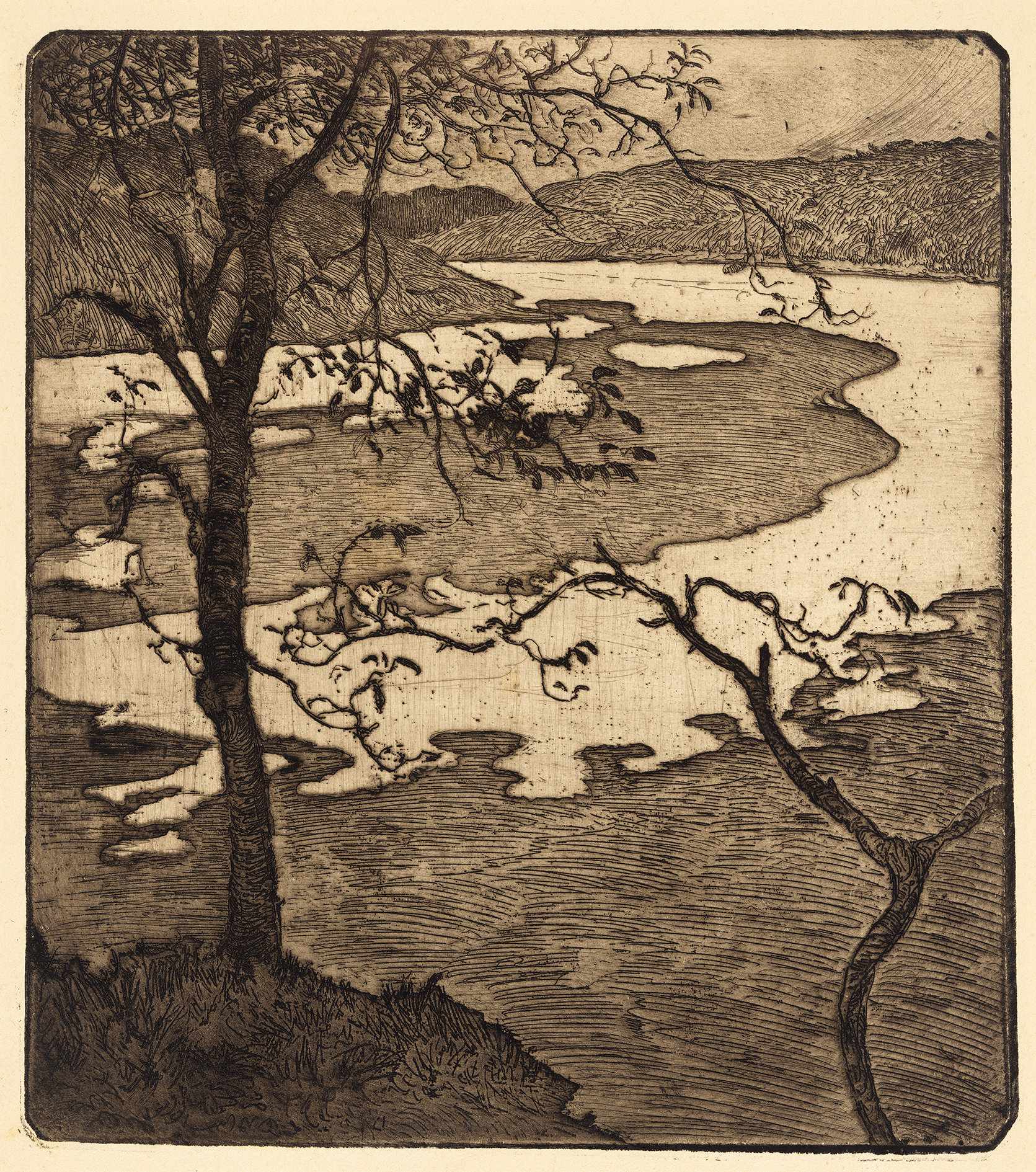
Opening this summer in Dublin, the free exhibition brings together 57 works spanning from the 15th century to the present day, drawing from one of Europe’s most significant collections to trace artistic evolution across Renaissance precision, Baroque drama, Dutch realism, French modernism, German Expressionism, and beyond. Yet what makes this exhibition particularly compelling is not simply the calibre of names involved, though figures such as Raphael, Rembrandt, Edgar Degas, Pablo Picasso, and Henri Matisse undeniably command attention. Its real power lies in the medium itself.
Works on paper often sit closer to the artist’s instinct than finished paintings ever can. They reveal experimentation before polish, correction before completion, and thought before performance. In many cases, they expose artistic vulnerability, showing where composition was discovered rather than declared. At a time when audiences are increasingly interested not only in what artists made but how they arrived there, this format feels remarkably contemporary.
That intimacy is central to the exhibition’s curatorial strength. Raphael’s preparatory studies linked to The School of Athens do not merely connect visitors to one of Western art’s most iconic frescoes; they offer a rare look at the intellectual architecture behind it. Similarly, works attributed to Andrea Mantegna, Parmigianino, and Lorenzo di Credi underscore the extraordinary technical discipline that underpinned Renaissance image making, while also revealing drawing as an active site of invention rather than secondary exercise.
The exhibition’s broader significance, however, extends beyond technical brilliance. By presenting European art through works on paper across multiple nations, movements, and centuries, the National Gallery constructs a far more interconnected portrait of Europe than traditional school by school categorisation often allows. Italy, France, Germany, the Netherlands, Ireland, and beyond are not treated as isolated artistic powers but as participants in an ongoing continental conversation shaped by exchange, influence, adaptation, and reinvention.
For Ireland, this framing carries particular cultural weight. The exhibition thoughtfully positions Irish artists not as peripheral observers but as contributors within Europe’s larger creative ecosystem, highlighting both how Irish artists sought inspiration abroad and how Ireland itself became a source of artistic engagement for others. In doing so, the exhibition subtly reinforces the idea that cultural identity has always been shaped through movement rather than insulation.
As the exhibition progresses into later centuries, it broadens beyond Old Master reverence into a richer study of societal transformation. Visitors encounter shifts from aristocratic portraiture to labour, leisure, abstraction, and psychological tension. Degas captures performance and exhaustion, Käthe Kollwitz confronts social struggle, Cézanne transforms landscape into structural meditation, and Matisse distils form with radical clarity. Together, these works do more than chart aesthetic evolution. They reveal Europe thinking differently across time.
This is what elevates Rembrandt to Matisse beyond a conventional survey. It is not merely a celebration of extraordinary artists. It is an exploration of how Europe’s visual consciousness developed through centuries of experimentation on one of art’s most deceptively simple surfaces.
The National Gallery of Ireland’s decision to make this exhibition free only strengthens its relevance. In a museum culture often pulled between accessibility and authority, this approach demonstrates that rigorous scholarship and broad public engagement can coexist powerfully.
Ultimately, this exhibition argues that some of Europe’s greatest artistic breakthroughs did not begin on palace walls or cathedral ceilings. They began on paper, in studies, sketches, etchings, and prints, where artists could question, test, and reimagine before history ever called them masterpieces.
Continue Reading
More Art & Design
Sir John Soane’s Museum Explores the Surreal World of Madelon Vriesendorp
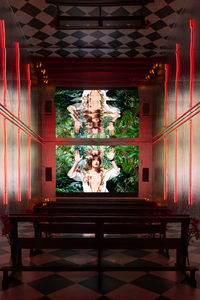
Lu Yang Turns the Louis Vuitton Espace in Venice Into a Digital Temple of Identity, Illusion, and Reincarnatio
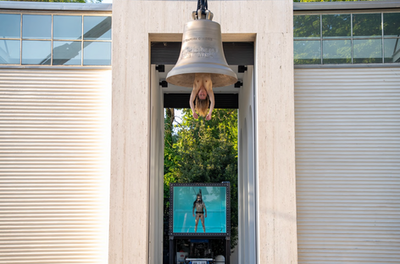
Austria’s Pavilion at the Venice Biennale Becomes a Living System, Not an Exhibition
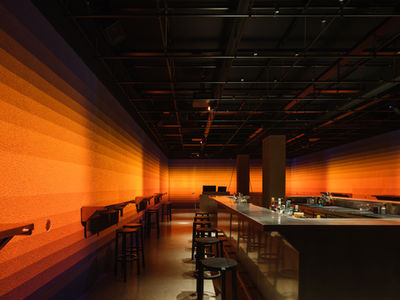
Studio 1111 Wants To Turn Gallery Weekend Berlin Into Something Bigger Than Exhibition Hopping

Stories worth your
weekend.
A handpicked dispatch from Hinton's editors. The long reads, the people, the openings, the things worth knowing. No filler.